
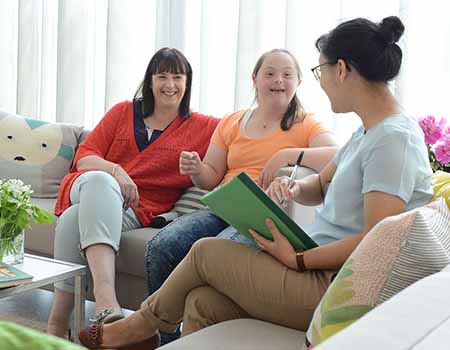
Group centre activities bring people together in amazing ways. They create spaces where participants can learn, grow, and build lasting friendships. These programs offer structured support in welcoming environments that celebrate everyone’s unique abilities. Understanding how these activities work helps families make informed choices about care and support options.
Understanding Group Centre Activities
NDIS-funded programs provide participants with opportunities to engage in supervised activities. These sessions happen in dedicated centres designed for accessibility and safety. Participants can choose from various options based on their interests and goals.
An NDIS service provider in Perth typically offers diverse programs throughout the week. Activities range from arts and crafts to music therapy and sports. Each session focuses on building specific skills while ensuring everyone has fun.
What Are The Benefits of Group Centre Programs?
Social Connection and Community
- Participants meet others with similar experiences and interests
- Friendships develop naturally through shared activities
- Social skills development happens in supportive settings
- Regular attendance builds a sense of belonging
Skill Building and Independence
Group activities teach valuable life skills that promote independence. Participants learn communication, teamwork, and problem-solving abilities. These skills transfer to everyday situations and improve quality of life.
An NDIS provider in Fremantle designs programs around individual needs and preferences. Staff members provide appropriate support while encouraging participants to try new things. This balanced approach builds confidence over time.
What Activities Are Available?
Centres offer creative, physical, and educational programs tailored to different ability levels. Creative sessions include painting, pottery, music, and drama workshops. Physical activities feature adapted sports, dancing, swimming, and fitness classes.
Group centre activities in Cannington might include cooking classes and technology workshops. Educational programs focus on money management, reading, and practical living skills. Participants choose activities that align with their NDIS goals.
The Role of Trained Support Staff
Qualified professionals facilitate all group sessions with care and expertise. They understand disability support principles and create inclusive environments for everyone. Staff assess individual needs and adjust activities accordingly.
Group centre activities in Mandurah employ staff trained in behaviour support and person-centred care. They ensure safety while encouraging participants to challenge themselves appropriately. This professional support makes a significant difference in outcomes.
How Do These Activities Support NDIS Goals?
Group programs directly align with capacity-building objectives outlined in NDIS plans. They address social participation, community access, and skill development goals simultaneously. Progress is monitored and reported to support coordinators regularly.
Participants work toward greater independence through consistent engagement and practice. Families notice improvements in confidence, communication, and overall well-being. These positive changes extend beyond the centre into daily life.
Conclusion
Group centre activities provide essential support that transforms lives through connection and growth. These programs offer safe spaces where participants develop skills and build meaningful relationships. The structured environment promotes independence while ensuring appropriate support is always available.
Ready to explore how group centre activities can benefit you or your loved one? Contact Inclusive Care today at (08) 6205 0559 or email info@inclusivecare.com.au to learn more. Visit https://inclusivecare.com.au/ to discover the full range of programs available.
Frequently Asked Questions
1. What exactly are NDIS group centre activities?
They are supervised programs where participants engage in social, creative, or educational activities together. These sessions happen in dedicated centres with trained staff support.
2. Who can participate in group centre activities?
Any NDIS participant whose plan includes capacity building or group-based supports can attend. Activities suit various ages and ability levels.
3. How often do group centre sessions run?
Most centres operate multiple days per week with various session times available. Participants can attend as frequently as their NDIS plan allows.
4. Do I need a specific type of NDIS plan?
Your plan should include funding for capacity-building supports or group activities. Check with your support coordinator about available budget categories.
5. What’s the typical group size for these activities?
Groups usually range from 5 to 15 participants, depending on the activity type. Smaller groups ensure adequate individual attention from staff members.
6. Can participants choose which activities they attend?
Yes, choice and control are fundamental principles of the NDIS framework. Participants select activities that match their interests and goals.
7. Are transport services included?
Some providers offer transport, while others require separate arrangements through NDIS transport funding. Always confirm this detail when enrolling.
8. What qualifications do support staff have?
Staff typically hold disability support qualifications and relevant certifications for specific activities. Background checks and ongoing training are mandatory requirements.
9. How are activities adapted for different abilities?
Professional staff modify activities to suit individual capability levels and support needs. This ensures everyone can participate meaningfully, regardless of ability.
10. Can family members observe sessions?
Most centres welcome family involvement and offer observation opportunities during orientation periods. Policies vary, so discuss preferences with your chosen provider.
